
How to Develop a Custom Mascara Product From Concept to Launch
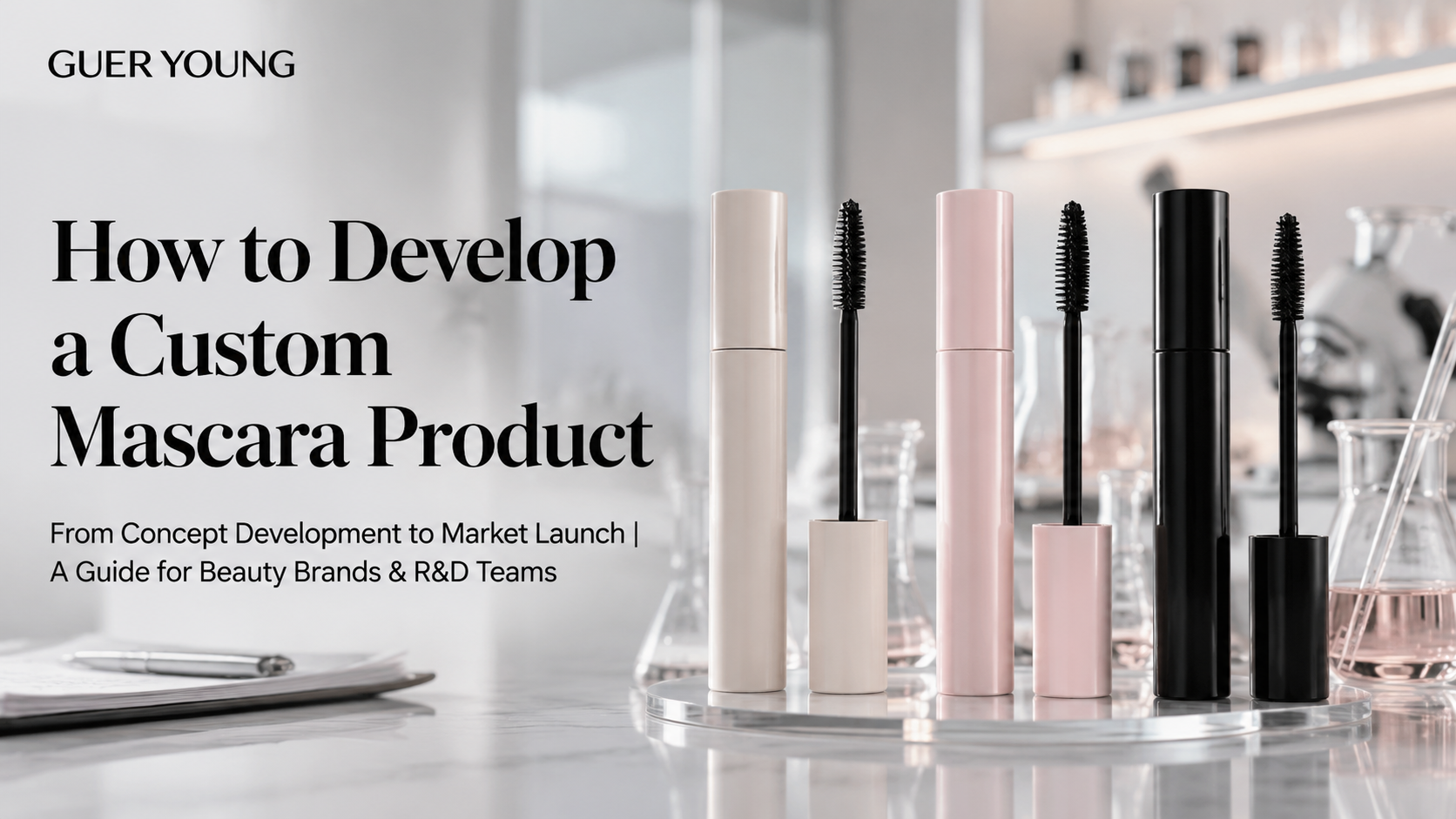
Read in English | Lire en Français | 日本語で読む
In today’s highly competitive global beauty industry, mascara remains one of the most important and fast-growing categories in eye makeup. For beauty brands, product managers, and cosmetic R&D teams, developing a successful custom mascara requires more than just selecting a formula and packaging design. It involves market research, product positioning, formulation development, cost control, quality management, and efficient production planning.
Many brands face similar challenges during the product development process:
Long development cycles that delay product launches;
Unclear market positioning and difficulty identifying customer needs;
Increasing development costs that reduce profit margins.
To overcome these challenges, partnering with an experienced mascara OEM/ODM manufacturer and building an efficient product development process are essential steps for creating competitive beauty products.
1. Market Research: Defining the Right Positioning for Your Custom Mascara
The first step in developing a custom mascara product is understanding your target market and consumer expectations.
Different customer groups have different requirements for mascara products:
Natural Everyday Mascara
Designed for consumers who prefer a lightweight daily makeup look, focusing on:
Natural lengthening effects;
Lightweight texture;
Easy application;
Comfortable long-wear performance.
Volumizing Mascara
Suitable for consumers looking for a more dramatic eye makeup effect, featuring:
Fuller-looking lashes;
Enhanced eye definition;
Stronger makeup impact.
Waterproof Long-Wear Mascara
Popular among customers who need reliable performance for:
Summer makeup;
Professional makeup applications;
Long-lasting daily wear.
Before starting development, product managers should analyze market trends, competitors, customer preferences, and sales channels to define clear product advantages.
A well-defined product strategy can reduce unnecessary development adjustments and improve the chances of successful market acceptance.
2. Custom Mascara Development Process: From Concept to Sample Approval
Professional mascara development usually involves multiple stages, including product planning, formula development, testing, packaging selection, and production preparation.
Product Concept Planning
At the beginning of development, brands need to define:
Product type;
Target consumer group;
Main product benefits;
Target price range;
Packaging direction.
For example, products designed for e-commerce channels may focus more on visual appeal and unique selling points, while professional beauty products may prioritize performance, durability, and user experience.
Formula Development and Testing
The formula is the core factor that determines mascara performance.
Common mascara development directions include:
Lengthening mascara;
Volumizing mascara;
Curling mascara;
Waterproof mascara;
Gentle formula mascara.
During the development stage, manufacturers typically evaluate:
Application smoothness;
Drying speed;
Smudge resistance;
Wear time;
Comfort during use.
GUER YOUNG specializes in beauty and cosmetic product development and manufacturing, providing customized solutions for beauty brands, cosmetic distributors, and private label customers. With professional R&D capabilities and flexible manufacturing services, the company supports clients in developing mascara, lash growth products, eyeliner, brow gel, and other beauty products.
3. How to Choose a Reliable Mascara OEM/ODM Manufacturer
For beauty brands, choosing the right manufacturing partner directly affects product quality, development efficiency, and launch timelines.
When evaluating a mascara manufacturer, brands should consider the following factors:
Strong R&D Capability
A reliable supplier should have:
Experienced cosmetic formulation teams;
Multiple proven formula options;
Fast sample development capabilities;
The ability to customize products based on market requirements.
Stable Manufacturing System
A professional production system helps ensure:
Consistent product quality;
Reliable mass production;
Controlled delivery schedules.
Flexible Customization Services
Experienced OEM/ODM manufacturers can support:
Custom formulas;
Packaging customization;
Private label cosmetics development;
Small-batch product testing.
Working with a capable manufacturing partner helps brands reduce supply chain risks and improve overall product development efficiency.
4. How to Control Custom Mascara Development Costs
Cost management is one of the biggest concerns for brands launching new cosmetic products.
Several factors influence mascara development costs:
Ingredient Selection
Different formulas require different raw materials and technologies, such as:
Waterproof systems;
Natural ingredients;
Conditioning formulas.
Brands should select suitable ingredients based on product positioning and target pricing.
Packaging Costs
Mascara packaging includes:
Tube design;
Brush applicator structure;
Material selection;
Decoration techniques.
A well-designed packaging solution can improve product value while keeping production costs under control.
Production Planning
For new products, brands can reduce inventory pressure by planning production quantities according to market testing requirements.
By working with an experienced OEM/ODM partner, brands can take advantage of established supply chains and professional manufacturing resources to improve cost efficiency.
5. Mascara Packaging Design and Brand Differentiation
In the competitive beauty market, product functionality alone is no longer enough. Successful mascara products need strong differentiation through both performance and branding.
Key factors include:
Unique product benefits;
Attractive packaging design;
Convenient user experience;
Strong brand identity.
For example:
Emerging beauty brands may choose trendy packaging styles to attract younger consumers and improve social media visibility.
Premium beauty brands may focus on sophisticated designs and high-quality materials to enhance brand perception.
Integrating packaging strategy into the early development stage helps brands create stronger market positioning.
6. From Testing to Production: How to Accelerate Mascara Product Launch
Many brands fail not because their products lack quality, but because they cannot launch quickly enough to capture market opportunities.
An efficient mascara development timeline usually includes:
Product requirement confirmation;
Formula development;
Sample testing;
Packaging approval;
Mass production;
Marketing preparation.
A manufacturer with strong project management capabilities can reduce communication costs and help brands achieve faster product launches.
GUER YOUNG provides professional cosmetic development and manufacturing services supported by experienced R&D teams, established production systems, and flexible OEM/ODM solutions. The company helps beauty brands move efficiently from product ideas to finished products ready for market.
7. Why Work with a Professional Custom Mascara Manufacturer?
For beauty companies, a manufacturing partner is more than a supplier. It is a long-term partner that supports product innovation and business growth.
An experienced cosmetic manufacturer can help brands:
Shorten product development cycles;
Reduce development risks;
Optimize supply chain management;
Maintain consistent product quality;
Expand product lines efficiently.
Instead of choosing suppliers based only on price, brands should evaluate overall capabilities, including R&D expertise, manufacturing experience, quality control, and customization flexibility.
Frequently Asked Questions About Custom Mascara Development
Q1: How long does it take to develop a custom mascara product?
The development timeline depends on formula complexity, packaging requirements, and customization level. Experienced manufacturers can shorten the process through established formulas and efficient development systems.
Q2: What is the difference between mascara OEM and ODM?
OEM services focus mainly on manufacturing products according to brand requirements. ODM services provide additional support, including formula development, product improvement, and complete product solutions.
Q3: Can private label brands customize their own mascara?
Yes. Private label customers can customize formulas, packaging, product features, and branding elements to create unique mascara products.
Q4: How can brands reduce the risks of launching a new mascara product?
Brands should conduct market research, define target customers clearly, and work with manufacturers that have strong R&D capabilities, production experience, and quality management systems.
Conclusion: Building Successful Mascara Products from Concept to Market
Developing a custom mascara product requires collaboration between market research, product development, cost management, and manufacturing execution.
For product managers and cosmetic R&D teams, working with a reliable mascara OEM/ODM partner can significantly reduce development time, improve product quality, and help brands respond faster to market demands.
With professional development support and advanced manufacturing capabilities, brands can create innovative beauty products that meet consumer expectations and achieve long-term market growth.


andy.li@gueryoung.com

We have 10 years of experience, focusing on the development and sales of high quality eyelash growth serum, mascara, eyebrow gel, eyebrow color and other products. We also offer custom services, from tube
design to cosmetic fillings and packaging


Room 1, C3 Factory Building, No.8803 Zhuhai Avenue, Lianwan Industrial Zone, Pingsha Town, Gaolan Port Economic Zone, Zhuhai, Guangdong,China
QUICK LINKS
D Zone,5/F, NO.8 CuiZhu 5th Street,
Qianshan Xiangzhou District,Zhuhai,
Guangdong,China,519070

lynn.zhou@gueryoung.com
winnie.zhong@gueryoung.com
niki.xu@gueryoung.com