
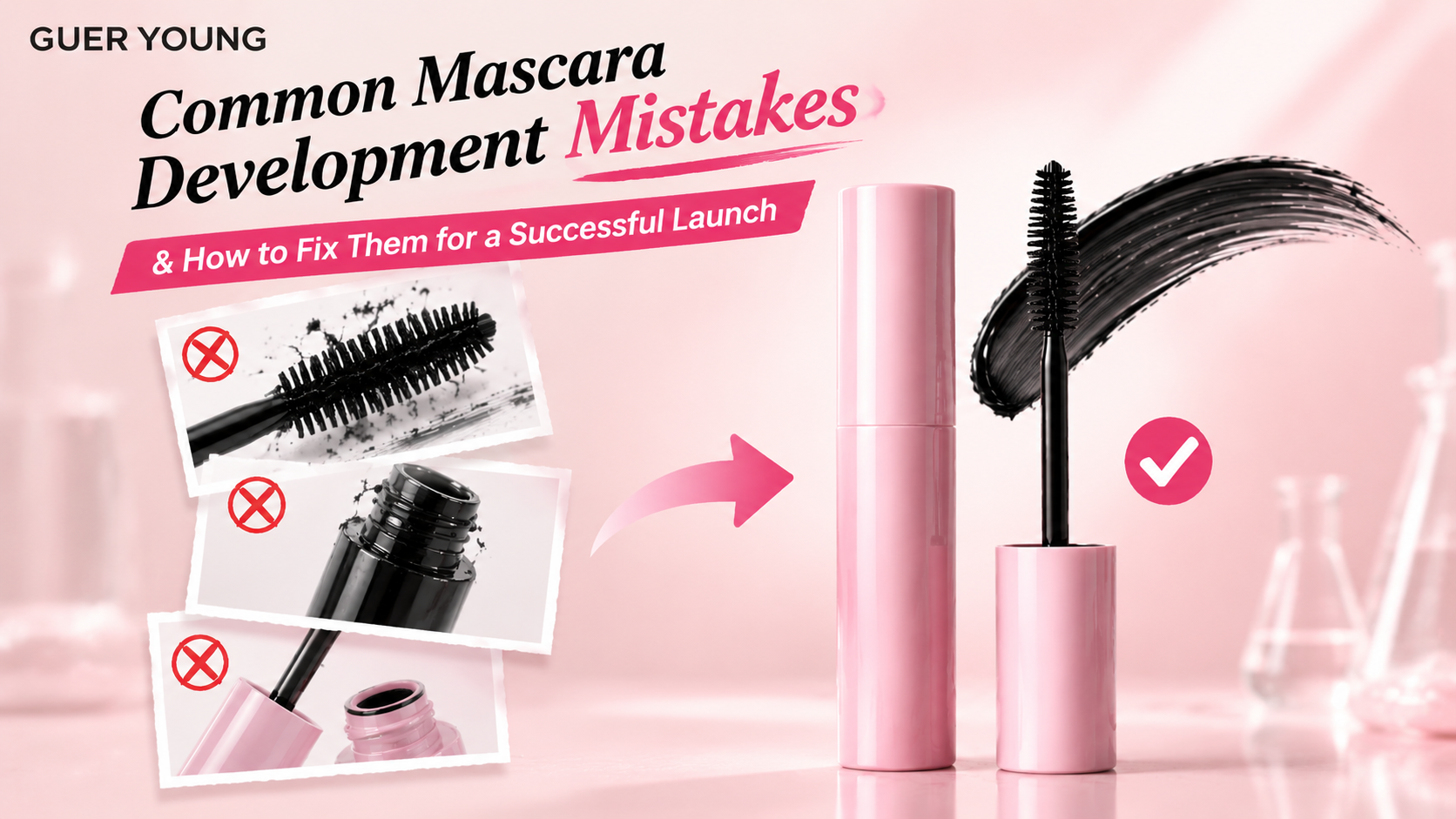
For beauty startup founders, independent beauty brand owners, and cosmetic product managers, launching a custom mascaraline is an exciting but high-stakes project. Mascara development mistakes are one of the top causes of missed launch windows and wasted budget, especially in the fast-paced 2026 beauty market where consumer expectations for performance and packaging are higher than ever.
This guide breaks down the most common mistakes in mascara product development, from initial brief to final production, and shares actionable prevention tips built on collaborative brand-supplier workflows.
1. Pre-Development Missteps That Derail Projects
Mascara product development challenges often start long before the first sample is produced, rooted in unclear planning and misaligned expectations between brands and manufacturers.
Unclear Product Requirement Briefs
Many brands jump into development with vague ideas rather than structured briefs, leading to repeated revisions and delayed timelines. A 2026 industry survey found that 62% of private label mascara development mistakes stem from incomplete initial requirements.
Common gaps in briefs include:
Vague performance claims (e.g., “long-lasting” without specifying wear time or smudge resistance)
Undefined product positioning (e.g., mixing waterproof mascara and lengthening mascara benefits without priority)
Missing target audience details that inform formula texture and brush choice
Misaligned Cost and Timeline Expectations
Beauty product development teamsoften underestimate the complexity of custom formulations, leading to budget overruns and launch delays.
To set realistic expectations:
Share your full budget range upfront so suppliers can recommend feasible materials
Ask for a detailed timeline breakdown including formulation, sampling, and production phases
Account for 2-3 rounds of sample revisions in your launch schedule
2. Formulation and Applicator Compatibility Issues
The core of a high-quality finished mascara lies in how well the formula and applicator work together, yet formula compatibilityis often overlooked in early development stages.
Mismatched Formula and Brush Specifications
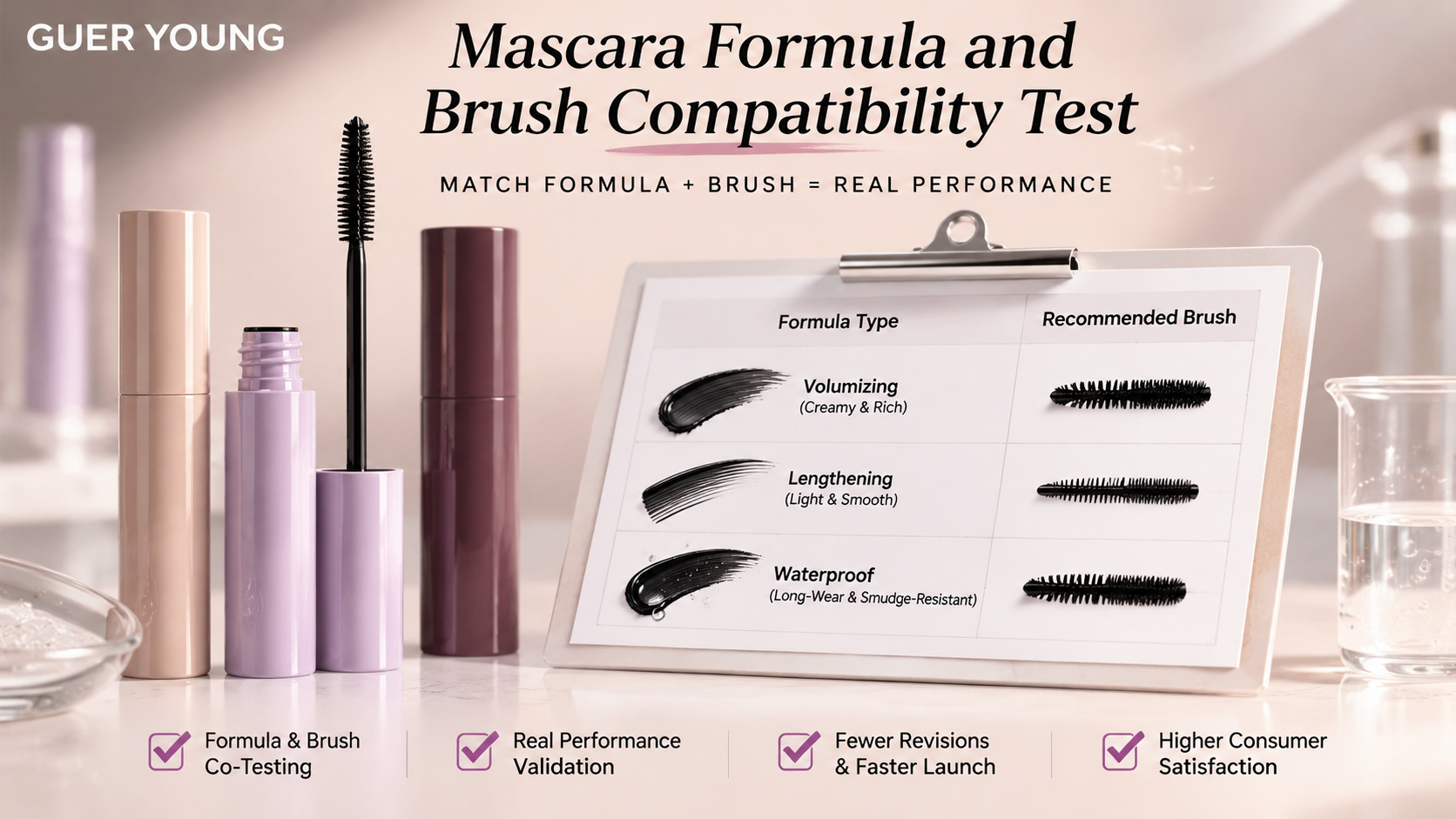
A volumizing mascaraformula requires a different brush than a lengthening mascara, but many brands choose applicators based on aesthetics rather than function.
Common mismatches include:
Thick, creamy formulas paired with fine-tooth brushes that clog easily
Waterproof formulas paired with non-resistant brush materials that degrade over time
Oversized brushes that don’t align with wiper dimensions, leading to messy application
Working with an experienced supplier like GUER YOUNG ensures formula and brush are tested together from the earliest prototype stage.
Poor Applicator Designand Component Fit
Even a great formula fails if the applicator doesn’t fit the packaging properly, causing leaks, uneven product pickup, or broken wands.
Key checks for applicator and packaging fit:
Verify wand length matches bottle depth to avoid excess product buildup at the bottom
Test component fit between the cap, wand, and bottle neck to prevent leaks
Ensure wiper dimensions are calibrated to deliver consistent product load per use
3. Packaging and Production Process Misalignment
Packaging design and manufacturing development issues are a leading answer to why mascara product development gets delayed, as creative visions often clash with production feasibility.
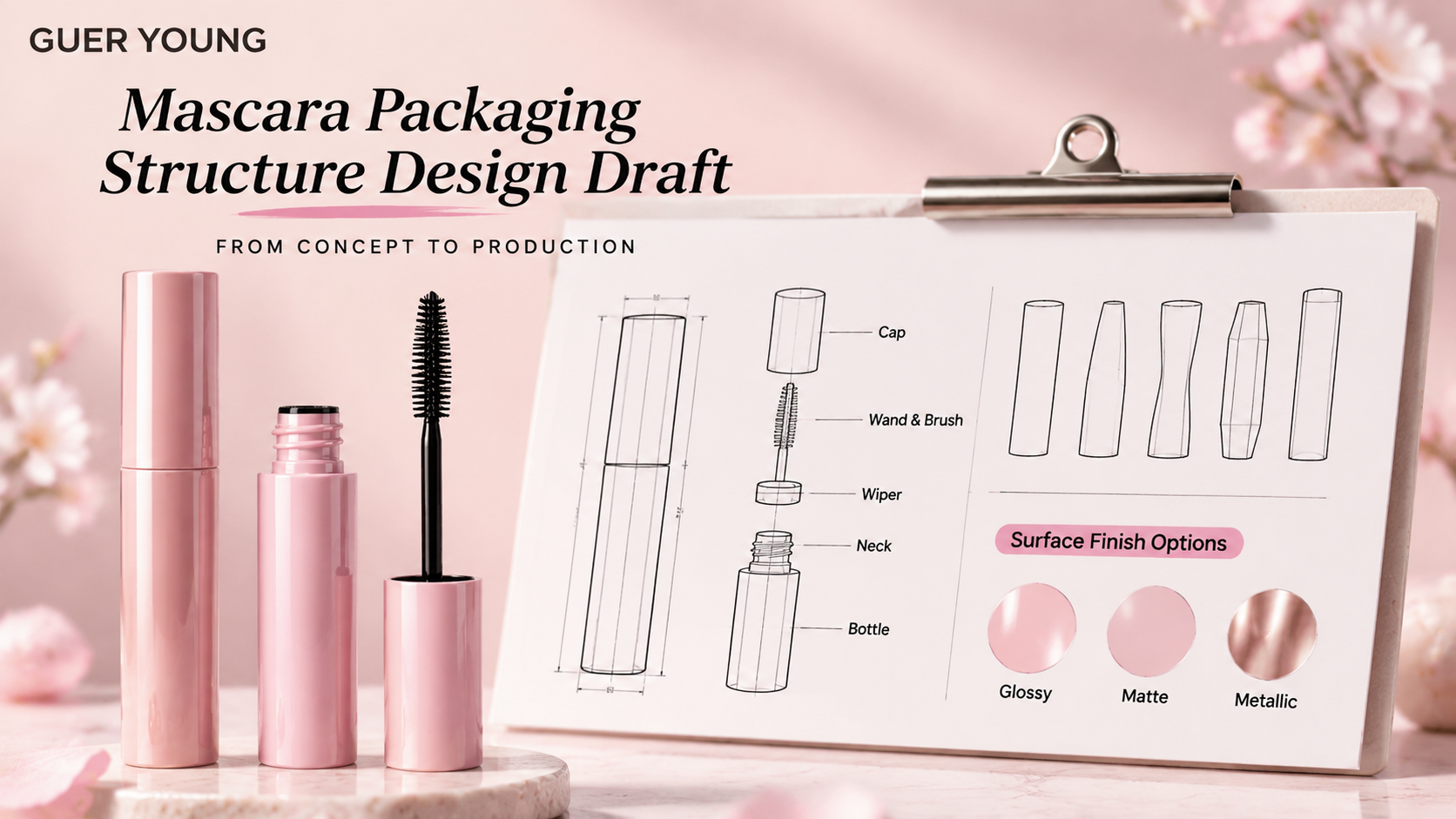
Packaging StructureThat Conflicts With Manufacturing
Many brands design packaging without consulting production teams, leading to designs that can’t be mass-produced efficiently.
Common packaging structureissues include:
Irregular bottle shapes that don’t fit standard filling equipment
Delicate surface finishes that scratch easily during assembly
Complex cap designs that require custom tooling with long lead times
For private label brand owners, validating packaging designs with manufacturers early cuts down on costly reworks.
Unclear Sample Feedback and Revision Cycles
Vague sample feedback extends development timelines by weeks or even months, as suppliers struggle to understand exactly what needs to be changed.
Effective sample feedback should include:
Specific notes on formula performance (e.g., “increase curl hold by 20% after 8 hours”)
Clear color matching references using Pantone or industry standard color codes
Structured feedback forms rather than scattered email comments
Mascara procurement teamsthat use standardized feedback templates reduce sample revision rounds by 40% on average, per 2026 supplier data.
4. Pre-Production Oversights That Cause Launch Delays
Mascara launch delays and how to avoid themoften come down to final pre-production checks, where small oversights turn into big problems during mass production.
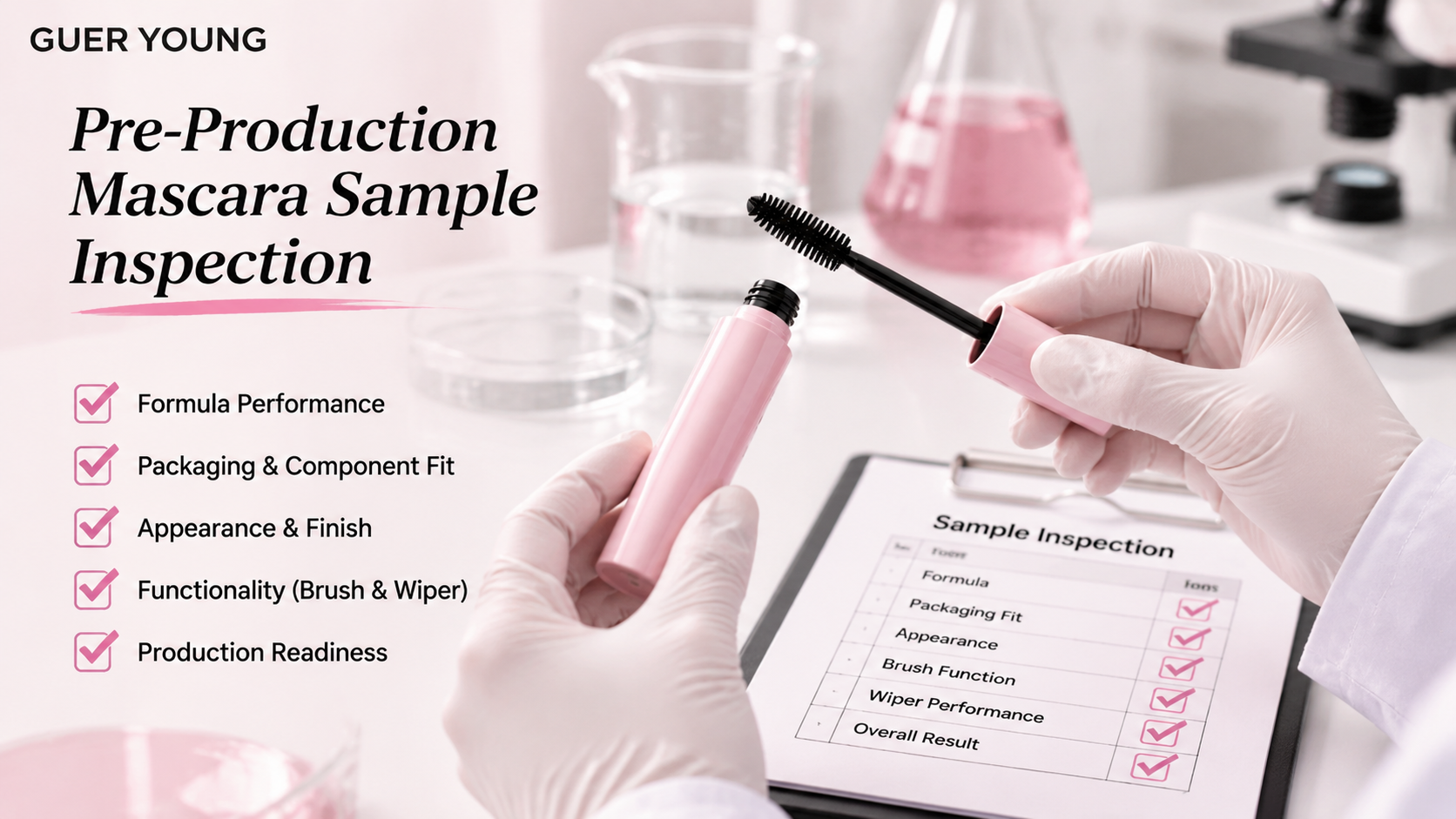
Insufficient Production ReadinessValidation
Many brands skip full production readinesschecks to speed up launch, only to face issues during the first bulk run.
Critical pre-production checks include:
Full stability testing of the final formula in final packaging
Trial runs of filling and assembly processes to identify bottlenecks
Verification of all component inventory to avoid supply gaps
How to avoid delays in mascara production? Start with a 100-unit pilot run before full bulk order approvalto catch issues early.
Lack of Final Sign-Off Across Stakeholders
Miscommunication between marketing, product, and quality teams often leads to last-minute changes that delay launches.
To prevent this:
Require written sign-off from all stakeholders at each development milestone
Share final samples with all decision-makers before bulk production
Document all approved specs in a shared, accessible file
Working with a collaborative supplier like GUER YOUNG, which provides dedicated project managers for each account, helps keep all teams aligned throughout the process.
In 2026’s competitive beauty market, avoiding mascara development mistakes requires close collaboration between brands and suppliers. By addressing these common pitfalls early and prioritizing clear communication, beauty teams can launch high-quality custom mascaralines on time and on budget.





